

Integrating smart gadgets for home into your daily routine is no longer just a luxury—it is a practical strategy to reclaim your precious free time. Modern households are increasingly turning to automation to handle repetitive, mundane tasks, from sweeping floors to managing indoor climate control. According to a recent industry report by Statista, the smart home market continues to expand exponentially as consumers seek greater convenience and energy efficiency.
By automating domestic chores, you can redirect your energy toward career growth, family, and personal well-being. For deeper insights into optimizing your living space, explore our curated SmartKee Lifestyle & Technology Guides for cutting-edge tips.
📋 Table of Contents
Key Takeaways:
- Investing in smart gadgets for home automation saves an average of 4.5 hours of manual cleaning weekly.
- Robotic vacuums and smart thermostats offer the highest return on investment through energy and time savings.
- Seamless integration with voice assistants simplifies multi-device management across your entire household.
Why You Need Smart Gadgets for Home Automation
The primary driver behind adopting smart gadgets for home environments is the elimination of cognitive fatigue associated with daily maintenance. When chores are automated, your mental load decreases significantly. For instance, scheduling a robot vacuum to run while you are at work ensures you return to pristine floors without lifting a finger.
Furthermore, energy consumption drops when intelligent systems regulate heating, cooling, and lighting based on your actual daily schedules rather than rigid, manual timers. This level of optimization translates into noticeable reductions in monthly utility bills.
8 Essential Smart Gadgets to Transform Your Household
1. Advanced Robotic Vacuum Cleaners
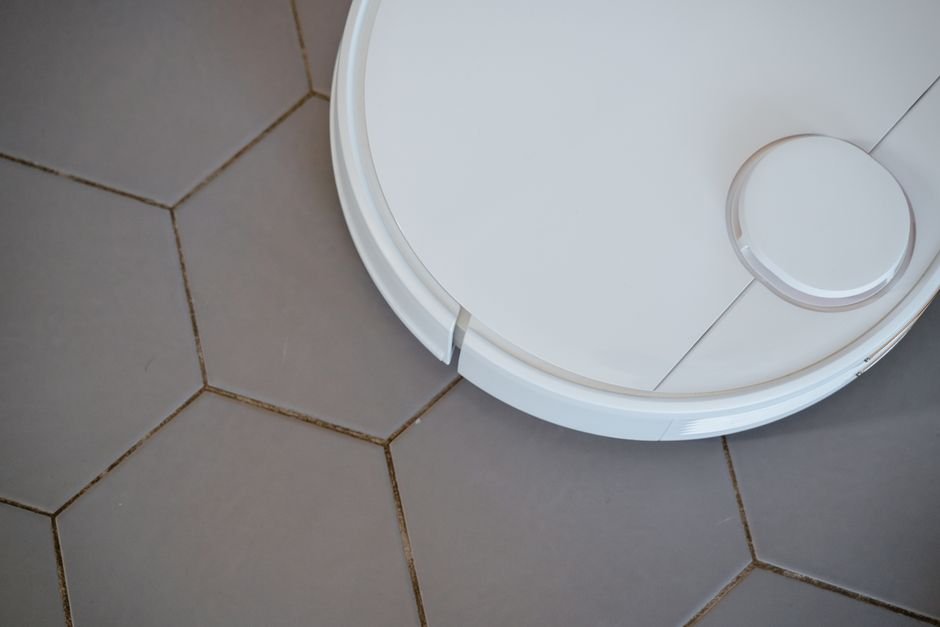
Floor maintenance is universally cited as one of the most tedious weekly chores. Modern robotic vacuums utilize LiDAR mapping and artificial intelligence to navigate around furniture, avoid pet waste, and dock themselves automatically. Many models now include self-emptying bins that hold weeks of debris.
2. Smart Thermostats for Climate Control
Heating and cooling account for the largest share of home energy usage. Smart thermostats learn your temperature preferences and daily routines, automatically adjusting settings when you leave the house or go to sleep. This ensures comfort while preventing wasted energy.
3. Automated Smart Lighting Systems
Lighting automation goes beyond mere convenience. Smart bulbs and switches allow you to set schedules, dim lights gradually to promote better sleep hygiene, and control illumination via smartphone apps or voice commands when your hands are full.
4. Smart Kitchen Displays and Recipe Hubs
Meal preparation becomes frictionless when you integrate smart kitchen displays. These devices let you pull up step-by-step video recipes, convert measurements hands-free, set multiple cooking timers, and maintain digital grocery inventories.
5. Automated Plant Care Monitors
Keeping indoor greenery alive can be challenging. Smart soil sensors monitor moisture levels, sunlight exposure, and nutrient content, sending instant push notifications to your phone when your plants require water or fertilization.
6. Smart Door Locks and Access Control
Security meets ultimate convenience with smart deadbolts. You can grant temporary digital keys to dog walkers, verify who is at the door remotely via integrated video cameras, and lock up automatically the moment you step outside.
7. Smart Air Purifiers
Maintaining healthy indoor air quality is essential for wellness. Smart air purifiers continuously monitor particulate levels and automatically ramp up filtration speed when dust, pollen, or cooking odors spike in your living space.
8. Automated Smart Plugs
The simplest entry point into home automation is the smart plug. By converting standard lamps, coffee makers, and irons into connected devices, you eliminate the anxiety of wondering whether you left an appliance running before leaving the house.
Maximizing the Value of Smart Gadgets for Home Environments
To extract maximum utility from your smart gadgets for home network, focus on ecosystem compatibility. Choosing devices that communicate through protocols like Matter, Apple HomeKit, Google Home, or Amazon Alexa ensures that your appliances work together harmoniously rather than existing as isolated tools.
Create automation routines—often called “scenes”—that trigger multiple actions simultaneously. For example, a “Good Night” routine can turn off all lights, lock the front door, lower the thermostat, and arm your security system with a single voice command.
Frequently Asked Questions
Are smart gadgets for home difficult to install and configure?
Most modern smart devices are designed with plug-and-play simplicity in mind. Devices like smart plugs, bulbs, and wireless air purifiers typically require zero technical expertise and pair with your smartphone in minutes. More complex installations, such as hardwired smart switches or automated door locks, come with detailed step-by-step mobile app guides and video tutorials, though you can always hire a handyman if you prefer professional installation.
Do smart home devices work if my internet connection drops?
Many smart devices utilize local communication protocols like Zigbee, Z-Wave, or Bluetooth, meaning basic functions such as local light switches and automated routines will often continue working even during an internet outage. However, cloud-dependent features like remote smartphone access, voice assistant commands, and software updates will pause until your broadband connection is restored.
How do smart gadgets for home help lower monthly utility bills?
Smart devices eliminate waste through precise scheduling and sensor-based automation. Smart thermostats prevent heating empty rooms, smart plugs cut standby power consumption from idle electronics, and automated lighting ensures bulbs are never left burning in unoccupied areas. Over time, these small efficiency gains accumulate into substantial savings on your monthly electricity and gas statements.