
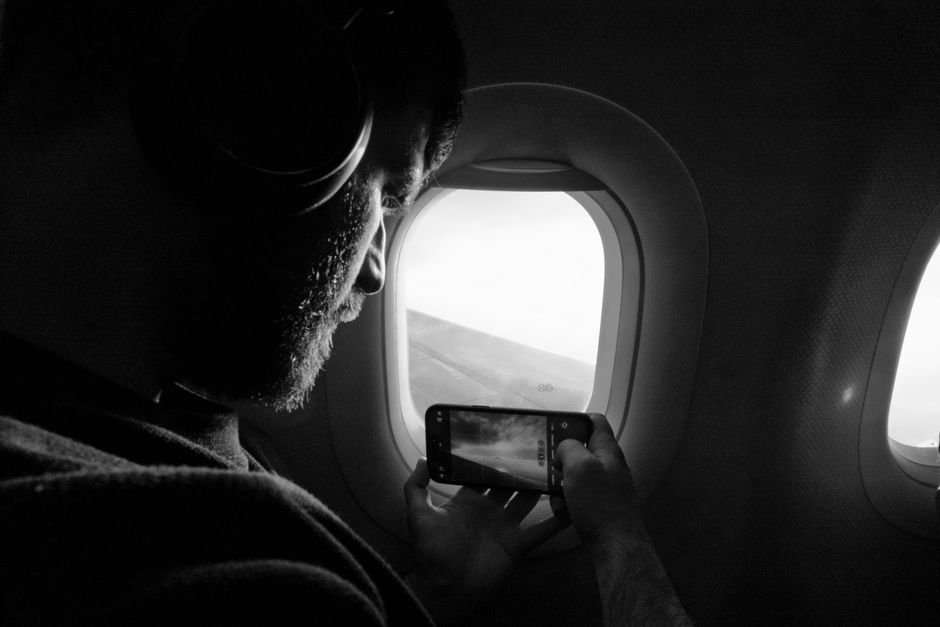
Finding the best noise canceling headphones is essential for transforming a loud, exhausting commute or long-haul flight into a peaceful sanctuary. Whether you are a frequent business flyer or a digital nomad exploring new destinations, modern wireless audio tech has completely revolutionized how we experience sound on the go. In this comprehensive travel headphones guide, we will break down everything you need to know to make an informed investment that protects your ears and enhances your journey.
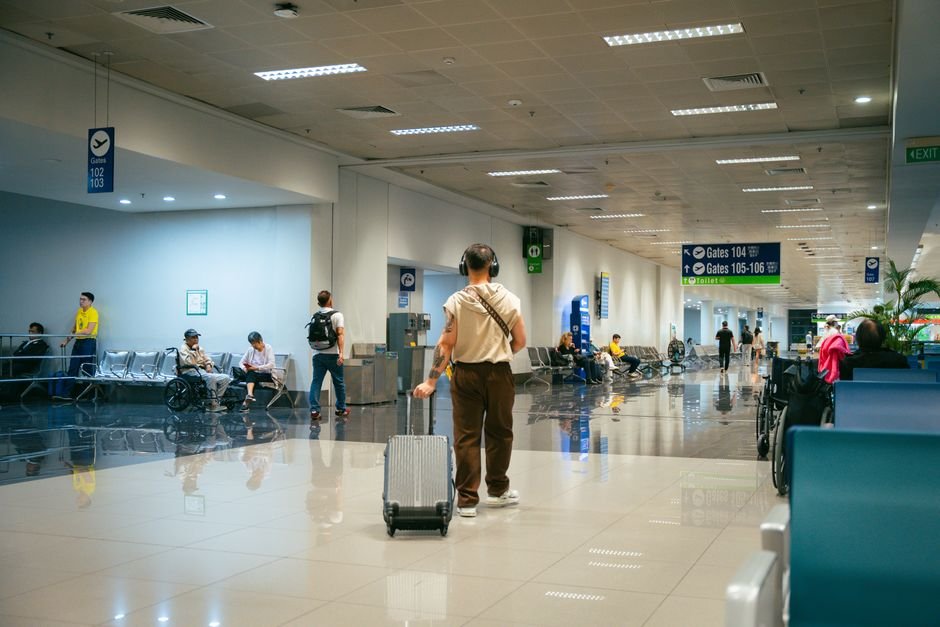
📋 Table of Contents
Key Takeaways:
- Active Noise Cancellation (ANC) uses microphones to sample ambient sound and generate inverse sound waves to cancel out low-frequency engine roars.
- Battery life, comfort, and codecs like LDAC and aptX significantly impact your wireless audio experience.
- Proper testing and tuning ensure you maximize the value of your audio gear.
Understanding How the Best Noise Canceling Headphones Work
To truly appreciate the engineering behind the best noise canceling headphones, it helps to understand the underlying physics. Active Noise Cancellation (ANC) is not just passive sound isolation (which relies on thick ear cushions to block high frequencies). Instead, sophisticated internal and external microphones pick up continuous ambient noises—such as jet engine drone or train rumble—and feed them into a digital signal processor (DSP). Within milliseconds, the processor generates a precise inverted wave (anti-phase sound) that neutralizes the unwanted background noise.
When evaluating modern wireless audio tech, you will encounter terms like feedforward, feedback, and hybrid ANC configurations. Hybrid systems utilize microphones on both the inside and outside of the earcups, offering superior performance across a wider frequency range. This level of acoustic engineering ensures you can enjoy your favorite podcasts, audiobooks, or playlists without cranking up the volume to dangerous levels, preserving your long-term hearing health.
7 Essential Steps for Choosing Your Travel Audio Gear
Selecting the right pair requires more than just picking a popular brand off a shelf. Follow this systematic approach to identify the ultimate device for your lifestyle:
- Assess Your Travel Frequency: If you fly weekly, invest in flagship models with robust build quality and multi-hour comfort. Casual vacationers might prefer lightweight, foldable designs.
- Evaluate Battery Longevity: Look for a minimum of 30 hours of continuous playback with ANC enabled. Quick-charge capabilities—yielding 3 hours of playback from a 5-minute charge—are a lifesaver during tight flight connections.
- Check Codec Compatibility: Ensure your smartphone and headphones support high-resolution codecs like LDAC, aptX Adaptive, or AAC to guarantee crisp, lossless wireless audio tech performance.
- Test Fit and Clamping Force: Glasses wearers and those with sensitive ears should test the ear cushion material (memory foam wrapped in protein leather) to prevent pressure headaches.
- Analyze Transparency Mode: A great pair must seamlessly switch into ambient transparency mode so you can hear airport announcements without removing your gear.
- Review Multipoint Connectivity: Being able to connect simultaneously to your laptop for a Zoom call and your phone for music streamlines your workflow on the move.
- Consult Industry Benchmarks: Always cross-reference consumer reviews with rigorous technical evaluations from platforms like TechCrunch to verify real-world durability.
Comparing Over-Ear vs. In-Ear Travel Audio Options
When searching for the best noise canceling headphones, form factor is a critical decision. Over-ear (circumaural) designs enclose the entire ear, providing unmatched passive isolation and superior acoustic chambers for deeper bass and wider soundstages. They are the gold standard for long international flights where absolute silence is desired.
On the other hand, in-ear monitors (wireless earbuds) offer incredible portability. They slip easily into a pocket and come with charging cases that fit into the smallest compartments. While their battery life per charge is shorter, advancements in miniaturized DSP chips mean modern earbuds rival older over-ear models in noise attenuation.
Optimizing Your Listening Environment on the Road
Once you purchase your gear, proper configuration is vital. Download the manufacturer’s companion mobile app to customize EQ settings, adjust the intensity of your active noise cancellation, and run firmware updates. Furthermore, keeping your device firmware updated ensures bug fixes and improved Bluetooth stability when traveling through high-interference areas like bustling train stations.
To explore more expert tips on gear, productivity, and modern living, be sure to browse through our curated SmartKee Lifestyle & Technology Guides for additional inspiration and deep dives.
Frequently Asked Questions
Will active noise cancellation completely silence all sounds around me?
No, active noise cancellation is exceptionally effective at neutralizing continuous, predictable low-frequency sounds such as airplane engines, train tracks, and air conditioning hums. However, it is less effective against sudden, sharp high-frequency noises like crying babies, sirens, or loud chatter, which are primarily mitigated by the passive physical seal of the ear cushions.
Can I use wireless headphones with airplane entertainment systems?
Most commercial airliners still use traditional 3.5mm headphone jacks or dual-prong adapters. To use your wireless headphones during flight, you can either connect them using the included audio cable or purchase a small Bluetooth audio transmitter that plugs directly into the airplane armrest jack.
Does turning on noise cancellation drain the battery faster?
Yes, running the internal microphones, digital signal processors, and speakers to generate anti-phase sound waves requires continuous electrical power. Utilizing ANC typically reduces total battery life by 20% to 30% compared to listening with ANC turned completely off.