
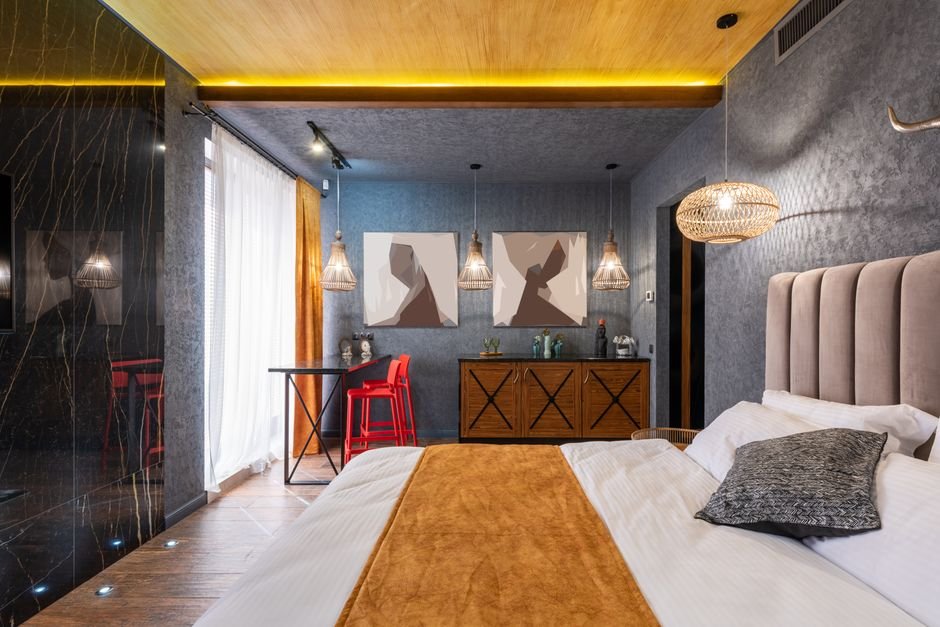
Implementing effective sleep optimization hacks can radically alter your nighttime recovery and elevate your daytime performance. If you are struggling with chronic fatigue, restless nights, or waking up groggy, the root cause is frequently your immediate bedroom environment. Your sleep space acts as a biological cue for your circadian rhythm, signaling when to produce melatonin and when to suppress cortisol. Without intentional modifications, ambient light, fluctuating temperatures, and hidden electronic distractions can silently sabotage your rest. At SmartKee, we are dedicated to helping you upgrade your daily life through technology and smart living. For more expert insights, explore our comprehensive SmartKee Lifestyle & Technology Guides to discover innovative ways to enhance your daily routines.
Transforming your sleeping quarters does not require an expensive, total home renovation. Instead, it relies on strategic environmental adjustments that cater directly to your body’s evolutionary biology. By leveraging modern bedroom smart gadgets, precise ambient temperature controls, and targeted circadian lighting, you can easily engineer a restorative oasis. Let us dive into seven actionable strategies designed to maximize your nightly restoration and help you wake up feeling completely refreshed.
1. Master Temperature Control with Smart Thermostats
Temperature is one of the most powerful environmental triggers for human sleep. According to authoritative research published by Healthline, your core body temperature naturally drops as you prepare for slumber, typically hovering between 65 to 68 degrees Fahrenheit (18 to 20 degrees Celsius). When your bedroom is too warm, your body struggles to shed heat, resulting in restless tossing, frequent awakenings, and fragmented REM cycles.
To implement this, program your smart thermostat to automatically lower the ambient temperature by a few degrees precisely one hour before your designated bedtime. Additionally, breathable organic cotton or moisture-wicking bamboo sheets can significantly assist in thermal regulation throughout the night, preventing night sweats and overheating.
2. Total Blackout Engineering for Melatonin Production
Even minuscule amounts of light—such as the standby LED indicator on your television or ambient streetlamps shining through window gaps—can penetrate your eyelids and signal your brain to halt melatonin production. True darkness is essential for entering deep, restorative slow-wave sleep.
Upgrade your window treatments with heavy-duty blackout curtains that extend beyond the window frame to eliminate light leaks. Furthermore, deploy smart plugs to completely cut power to all bedroom electronics and indicator lights when you power down for the night, ensuring an obsidian-dark environment.
3. Acoustic Masking and Advanced Sleep Optimization Hacks
Sudden acoustic disturbances, such as passing traffic, barking dogs, or creaking floors, can pull you out of deep sleep into a lighter stage without you fully waking up. This micro-arousal severely degrades overall sleep quality and leaves you feeling exhausted the next morning. Utilizing high-performance sound-masking devices creates a consistent, soothing auditory blanket.
Place a dedicated white noise machine or a smart speaker playing brown noise near your bedroom entrance to neutralize sharp, disruptive sounds. Brown noise, which features deeper bass frequencies resembling a heavy waterfall, is particularly effective at promoting deep relaxation and calming an overactive nervous system.
4. Circadian Lighting Shifts for Natural Wind-Down
Exposure to blue light from smartphones, tablets, and overhead bright white bulbs tricks your brain into believing it is still midday. Integrating these specific sleep optimization hacks into your evening routine involves replacing harsh bulbs with smart lighting systems that dynamically shift color temperature.
Set your smart bulbs to automatically transition to a warm amber or reddish hue (below 2000K) starting two hours before bedtime. This mimics a natural sunset, gently signaling your pineal gland to synthesize melatonin and prepare your body for a deep, natural slumber.
5. Optimize Air Quality and Oxygen Levels
Stale bedroom air laden with carbon dioxide, dust mites, and volatile organic compounds (VOCs) can severely impair your breathing efficiency and trigger subconscious micro-awakenings. High CO2 levels inside closed bedrooms are directly linked to morning headaches and cognitive fog.
Incorporate a True HEPA air purifier with an activated carbon filter to eliminate allergens and pollutants from your sleeping space. Additionally, consider keeping a hardy indoor plant like a Snake Plant or Peace Lily in your room, or crack your bedroom window slightly during the early evening to ensure a fresh supply of circulating oxygen.
6. Eliminate EMF Exposure and Digital Clutter
The psychological weight of digital clutter—such as keeping your smartphone on your nightstand—tempts endless scrolling and spikes anxiety. Furthermore, eliminating unnecessary electromagnetic fields (EMFs) near your head can contribute to a calmer physical environment.
Move all smartphones, tablets, and charging docks at least six to eight feet away from your bed, or place them on a desk across the room. Invest in a traditional, non-smart analog alarm clock to wake you up gently without exposing yourself to glowing screens and stressful notifications the moment you open your eyes.
7. Ergonomic Bedding and Strategic Weighting
Your physical contact points with the bed dictate your spinal alignment and muscular tension release. An unsupportive mattress or lumpy pillow forces your muscles to stay contracted all night, preventing true physical restoration.
Evaluate your mattress firmness based on your preferred sleeping position, and replace pillows every 12 to 18 months. For individuals experiencing anxiety or restlessness, incorporating a high-quality weighted blanket utilizes Deep Pressure Stimulation (DPS) to calm the nervous system, lower heart rate, and accelerate the transition into restorative deep sleep stages.
📋 Table of Contents
Key Takeaways:
- Lower your ambient smart thermostat to 65-68°F to facilitate natural core body temperature cooling.
- Eliminate all ambient light sources with blackout curtains and smart plugs to maximize melatonin production.
- Utilize brown or white noise machines to mask disruptive environmental sounds and prevent micro-awakenings.
- Remove digital clutter and smartphones from your nightstand to reduce anxiety and EMF exposure.
Frequently Asked Questions
What are the most effective sleep optimization hacks for beginners?
For beginners, the most impactful sleep optimization hacks involve establishing a strict digital curfew, cooling your bedroom down to 68 degrees Fahrenheit, and achieving absolute darkness. These three foundational changes immediately address light, temperature, and mental stimulation, yielding noticeable improvements in sleep quality within just a few nights.
How do smart bedroom gadgets improve overall sleep quality?
Smart bedroom gadgets automate your environment so you do not have to rely on willpower. Automated smart thermostats, circadian lighting bulbs, and white noise generators create a friction-free sanctuary that adapts to your biological rhythms, ensuring optimal conditions for both falling asleep and staying asleep through the night.
Can optimizing my sleep environment really cure chronic insomnia?
While environmental modifications are powerful tools for enhancing sleep hygiene and treating mild restlessness, chronic insomnia can stem from underlying medical, psychological, or neurological factors. Optimizing your bedroom is a crucial first step, but individuals experiencing severe, long-term sleep disturbances should always consult a qualified healthcare professional or sleep specialist for a comprehensive diagnosis.