
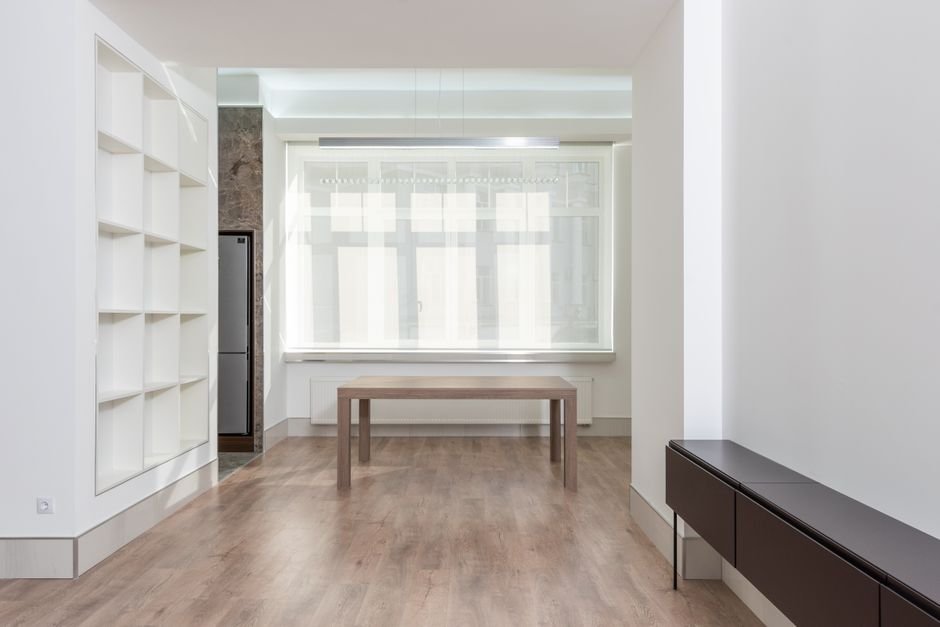
Designing a minimalist apartment requires intentional choices, creative home organization, and a dedication to functional small space living. In today’s fast-paced world, our homes should act as restorative sanctuaries rather than storage units for clutter. When square footage is limited, every single item you bring into your space impacts your daily mood, focus, and overall well-being. According to a Wikipedia study on simplicity, intentional environmental design directly correlates with reduced cortisol levels and enhanced mental clarity.
Whether you are dealing with a cramped studio or a compact one-bedroom, adopting a mindful approach can completely shift your living experience. From multi-functional furniture to clever vertical storage hacks, let’s explore eight brilliant strategies to cultivate a peaceful, functional, and aesthetically pleasing haven.
📋 Table of Contents
1. Master Multi-Functional Furniture for Your Minimalist Apartment
When living in small quarters, single-purpose items eat up precious square footage. To maintain an open, uncluttered floor plan, invest in furniture pieces that perform double duty. Think of a storage ottoman that conceals seasonal blankets, a coffee table with a lift-top mechanism for dining or working, or an expandable dining table that folds flat against the wall when not in use.
By keeping surfaces clean and utilizing hidden storage compartments, you eliminate visual noise. When items have a designated, hidden home, your space instantly feels twice as large. To explore more ideas on optimizing compact living spaces, check out our SmartKee Lifestyle & Technology Guides for cutting-edge home organization inspiration.
2. Declutter Ruthlessly Using the One-In, One-Out Rule
Clutter is the absolute enemy of a serene sanctuary. Before you can truly enjoy your home, you must curate your belongings down to what is genuinely useful or deeply loved. Adopt the strict ‘one-in, one-out’ rule: whenever you purchase a new clothing item, book, or decor piece, an older item must be donated, sold, or recycled.
This simple habit prevents accumulation creep and forces you to be hyper-intentional with every shopping trip. Go room by room, sorting items into keep, donate, and trash bins. You will be amazed at how liberating it feels to breathe freely in a room free from excess belongings.
How to Edit Decor in a Minimalist Apartment
When decorating a minimalist apartment, less is undeniably more. Instead of cluttering shelves with dozens of knick-knacks, choose two or three statement art pieces or architectural plants. Give each decor item breathing room so the eye can rest naturally, creating a calming gallery-like atmosphere.
3. Maximize Vertical Space and Empty Walls
Floor space is a luxury in compact homes, but vertical space is often severely underutilized. Look up at your bare walls. Installing floating shelves, tall bookcases that reach the ceiling, and wall-mounted lighting instantly draws the eye upward, making the ceiling feel higher and freeing up valuable floor area.
Utilize the backs of closet doors for shoe organizers, hanging racks, or spice storage. By shifting storage upward, you keep the main living zones open, airy, and completely unobstructed for comfortable movement.
4. Adopt a Restorative Neutral Color Palette
Color has a profound psychological impact on our daily energy levels. Bright neon colors and high-contrast patterns can make a tight room feel chaotic and claustrophobic. Instead, build your color palette around calming neutrals—soft whites, warm beiges, muted grays, and earthy taupes.
Monochromatic or tonal palettes reflect natural light seamlessly, bouncing sunlight around the room and expanding the visual boundaries of your walls. Layer textures like linen, wool, ceramic, and natural wood to add warmth and tactile depth without introducing distracting visual clutter.
5. Harness the Power of Layered Lighting
Harsh overhead lighting can instantly kill the cozy, sanctuary-like vibe of any room. Instead of relying on a single central light fixture, create a warm ambiance by layering multiple light sources at different heights.
Combine floor lamps, warm-toned table lamps, wall sconces, and ambient LED strip lights behind furniture. Dimmable smart bulbs allow you to shift the mood from bright and productive during working hours to soft, amber, and restful during evening wind-down routines.
6. Establish Daily Reset Habits for Long-Term Peace
Maintaining a clean space isn’t a one-time event; it is an ongoing daily practice. Dedicate just 10 to 15 minutes every single evening to a ‘reset routine.’ Put away stray shoes, clear the kitchen counter, fluff couch pillows, and fold throw blankets.
Waking up to a completely tidy, orderly environment sets a remarkably peaceful tone for your entire morning. It removes decision fatigue and lets you start your day focused on what truly matters rather than wrestling with yesterday’s mess.
7. Introduce Biophilic Design and Indoor Greenery
Nature has an innate ability to calm the human nervous system. Bringing living plants into your home instantly purifies the air and adds organic movement to clean architectural lines. You do not need a jungle—just two or three statement plants like a sleek Sansevieria (Snake Plant), a cascading Pothos, or a miniature Fiddle Leaf Fig.
Place them in simple terracotta or matte ceramic pots that complement your neutral color scheme. The vibrant green tones act as living art pieces that require zero clutter to look stunning.
8. Digital Minimalism: Decluttering Your Virtual Space
A true sanctuary extends far beyond physical furniture and clothes. Digital clutter—overflowing email inboxes, disorganized desktop files, and non-stop smartphone notifications—creates subconscious mental fatigue just like physical mess does.
Unsubscribe from unwanted newsletters, organize your computer desktop into clean folders, and turn off all non-essential phone alerts. When your digital environment mirrors your physical home, your mind experiences genuine, uninterrupted tranquility.
Key Takeaways for Your Minimalist Sanctuary:
- Prioritize multi-functional furniture to save valuable floor space.
- Use the ‘one-in, one-out’ rule to prevent future clutter buildup.
- Maximize vertical wall space with floating shelves and tall bookcases.
- Stick to a soothing, light neutral color palette with tactile textures.
- Establish a 15-minute nightly reset routine to maintain daily order.
Frequently Asked Questions
How do I start living minimally in a very small studio?
Begin by emptying one small zone, such as a single closet or drawer, and sorting items into strict categories. Keep only items you use weekly or bring genuine joy. Once your storage areas are edited, move to surface clutter. Focus on establishing fixed homes for every necessary item before buying any new furniture or storage bins.
Can a minimalist apartment still feel cozy and warm?
Absolute minimalism can sometimes feel sterile if it lacks texture. You can easily maintain coziness by layering natural textiles like linen curtains, chunky knit wool blankets, jute rugs, and warm ambient lighting. Wood tones and indoor plants also add natural warmth without adding clutter.
What are the best colors to make a small room look bigger?
Light, reflective neutrals are your best option for expanding small spaces. Crisp whites, warm alabaster, pale greige, and soft linen tones bounce natural light around the room, blurring corners and making walls appear pushed outward. Pair these with matte black or natural wood accents for ground and contrast.