
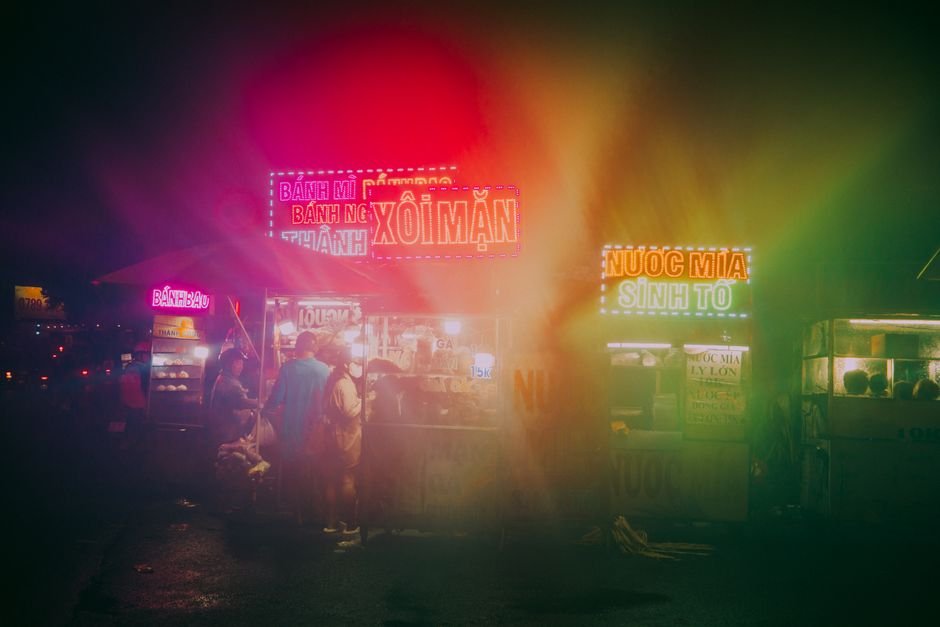
When diving into world street food experiences, most travelers immediately think of the crowded night markets of Bangkok or the bustling taco stands of Mexico City. However, the true heartbeat of culinary culture often lies off the beaten path in lesser-known corners of the globe. If you are an adventurous traveler looking to elevate your palate without breaking the bank, uncovering hidden foodie destinations is the ultimate way to travel. Exploring these secret culinary hotspots not only offers incredible flavors but also gives you a deeper connection to local traditions, ingredients, and everyday life.
To help you plan your next epicurean adventure, we have curated a comprehensive guide featuring the top five hidden foodie destinations. Whether you are hunting for budget travel food or seeking out rare delicacies, these locations promise an unforgettable gastronomic journey. For more inspiring travel and lifestyle insights, be sure to check out our SmartKee Lifestyle & Technology Guides for additional expert tips on navigating global travel seamlessly.
📋 Table of Contents
Key Takeaways:
- Discover off-the-beaten-path culinary hotspots that redefine traditional culinary tourism.
- Learn how to find authentic world street food while maintaining a strict travel budget.
- Master local etiquette, safety tips, and currency exchange strategies for street vendors.
- Explore regional delicacies that combine unique indigenous ingredients with centuries-old cooking techniques.
1. George Town, Penang (Malaysia)
While Penang is hardly a secret to seasoned Southeast Asian travelers, George Town remains an underrated gem for global food tourists who prioritize authentic heritage flavors. As a historical melting pot of Malay, Chinese, Indian, and Peranakan cultures, this coastal city offers an eclectic mix of culinary traditions. To truly appreciate the scale of culinary diversity here, consider reviewing the comprehensive data provided by Wikipedia’s guide to Malaysian cuisine to understand the historical influences behind dishes like Char Kway Teow and Asam Laksa.
When navigating George Town’s hawker centers, arrive before peak lunch and dinner hours to secure a table and avoid long queues. Always carry small Malaysian Ringgit denominations, as street vendors rarely accept credit cards or large bills. Portion sizes are generally small, which allows you to sample five to ten distinct dishes in a single afternoon without feeling overly stuffed. Make sure to try the Penang Rojak and local Ais Kacang for a refreshing finish to your spicy street feast.
2. Oaxaca City, Mexico
While Mexico City gets plenty of culinary praise, Oaxaca City is the undisputed cultural capital for authentic indigenous cuisine and world street food treasures. Walking through the colorful streets of Oaxaca exposes your senses to the rich aromas of toasted corn, smoked chiles, and artisanal chocolate. Street stalls here specialize in tlayudas—often called Oaxacan pizza—topped with lard, refried beans, quesillo, and your choice of grilled meats. Every corner reveals a new family recipe passed down through generations.
Budget travelers will find that eating on the street in Oaxaca is exceptionally affordable, with most snacks costing less than two dollars. To ensure a safe culinary adventure, look for stalls with high local turnover, as fresh ingredients are prepared and consumed rapidly. Don’t forget to sample local delicacies like chapulines (toasted grasshoppers) seasoned with garlic and lime, which provide an unexpected crunch and protein-packed punch that perfectly complements a cold, refreshing local mezcal cocktail.
The Evolution of Global Cuisines and world street food Markets
Understanding how culinary traditions migrate and evolve across borders provides a fascinating context for your travels. The global appetite for authentic, handheld eats has transformed local vendors into international culinary ambassadors. By studying food tourism trends, economists note that small vendors contribute significantly to local micro-economies, preserving ancient food preservation and cooking methods that might otherwise fade away in modern commercial kitchens.
When searching for authentic dishes in unfamiliar territories, rely on hyper-local recommendations rather than mainstream tourist apps. Befriend local shopkeepers, taxi drivers, or hostel staff who can direct you to neighborhood carts that do not appear on digital maps. This organic approach guarantees genuine flavors and shields you from inflated tourist pricing.
3. Palermo, Sicily (Italy)
Italy is world-famous for its sit-down trattorias and fine-dining establishments, but the island of Sicily boasts one of the most vibrant open-air culinary cultures in Europe. Palermo’s historic street markets—such as Ballarò and Vucciria—function as theatrical stages where vendors loudly showcase their daily catches and roasted meats. Here, world street food takes the form of crispy arancini (rice balls), panelle (chickpea fritters), and sfincione (Sicilian thick-crust pizza).
Navigating Palermo’s markets requires patience and a hearty appetite. Most food stalls operate from early morning until the afternoon heat sets in, making morning the ideal time for exploration. Keep your belongings secure in crowded alleyways, and embrace the sensory overload of vendors shouting out prices in dialect. Dining here is not merely about eating; it is an immersive cultural tradition that reflects Sicily’s complex history of Arab, Norman, and Spanish rule.
4. Stone Town, Zanzibar (Tanzania)
Situated off the coast of East Africa, Zanzibar’s Stone Town is a mesmerizing labyrinth of winding alleys, carved wooden doors, and intoxicating spice aromas. As daylight fades, the Forodhani Gardens waterfront park transforms into an open-air food market under the stars. Stalls illuminate the dark with lanterns, grilling freshly caught seafood, skewered meats, and local flatbreads. It is an extraordinary convergence of Swahili, Arab, Indian, and Persian culinary influences.
For budget-conscious explorers, Stone Town offers incredible value. A skewer of grilled octopus or kingfish paired with cassava crisps costs mere pennies, yet delivers restaurant-quality flavors. Be sure to try the iconic Zanzibar pizza—a creative concoction of dough, minced meat, egg, vegetables, and mayonnaise fried on a hot griddle. Wash it all down with a fresh glass of sugar cane juice infused with ginger and lime.
Finding the Best world street food on a Budget
Traveling on a budget does not mean you have to sacrifice flavor or quality. In fact, street food is inherently economical because vendors operate with low overhead costs and pass those savings directly to the consumer. To maximize your budget, set a daily food allowance, eat where the locals queue up, and embrace street markets over sit-down restaurants. By doing so, you can stretch your travel funds to last twice as long while enjoying food that is vastly superior and more authentic than standard tourist fare.
Another smart strategy is to share portions. Because street snacks are dense and flavorful, ordering half-portions or splitting dishes with a travel companion lets you sample a wider variety without overspending or wasting food. Always keep emergency cash in small denominations, as many traditional food stalls do not accept digital payments or credit cards.
5. Osaka, Japan
Known across Japan as Tenku no Daidokoro (the Nation’s Kitchen), Osaka is a paradise for casual diners. While Tokyo boasts the highest number of Michelin-starred restaurants, Osaka celebrates the joy of unpretentious, comforting street eats. Districts like Dotonbori and Shinsekai are legendary for neon lights, giant mechanical signage, and endless rows of food stalls serving piping-hot specialties.
Your Osaka food itinerary must include takoyaki (battered octopus balls drizzled with savory sauce and bonito flakes) and okonomiyaki (savory cabbage pancakes). Unlike other cities where you eat on the move, Osaka’s street culture encourages standing around the stall or sitting at a tiny counter to chat with the master chef. The local philosophy of kuidaore—loosely translated as “eat until you drop”—encourages visitors to indulge fully in the city’s culinary bounty without reservation.
Frequently Asked Questions
Is it safe to eat world street food without getting sick?
Yes, eating street food can be completely safe if you follow a few basic precautions. Always choose bustling stalls with high turnover rates, ensuring that ingredients are fresh and cooked to order in front of you. Avoid raw vegetables washed in local tap water, opt for fruits you can peel yourself, and ensure hot dishes are served steaming hot. Carrying hand sanitizer and probiotics can also provide extra peace of mind during your culinary adventures.
How can I find hidden street food stalls in a new city?
The best way to discover authentic street food stalls is to venture away from major tourist monuments and explore residential neighborhoods or local morning markets. Ask locals, taxi drivers, or street vendors for their personal favorite spots rather than relying solely on tourist guidebooks. Observing where office workers and families line up during lunch hours is a foolproof indicator of exceptional food quality and fair pricing.
What currency should I use when buying street food abroad?
It is always recommended to carry local paper currency in small denominations when purchasing street food. Most independent vendors operate on a cash-only basis to avoid credit card processing fees and internet dependency. Having small bills and coins prevents awkward situations when buying inexpensive snacks and ensures you receive correct change quickly, keeping the queue moving smoothly for everyone.