

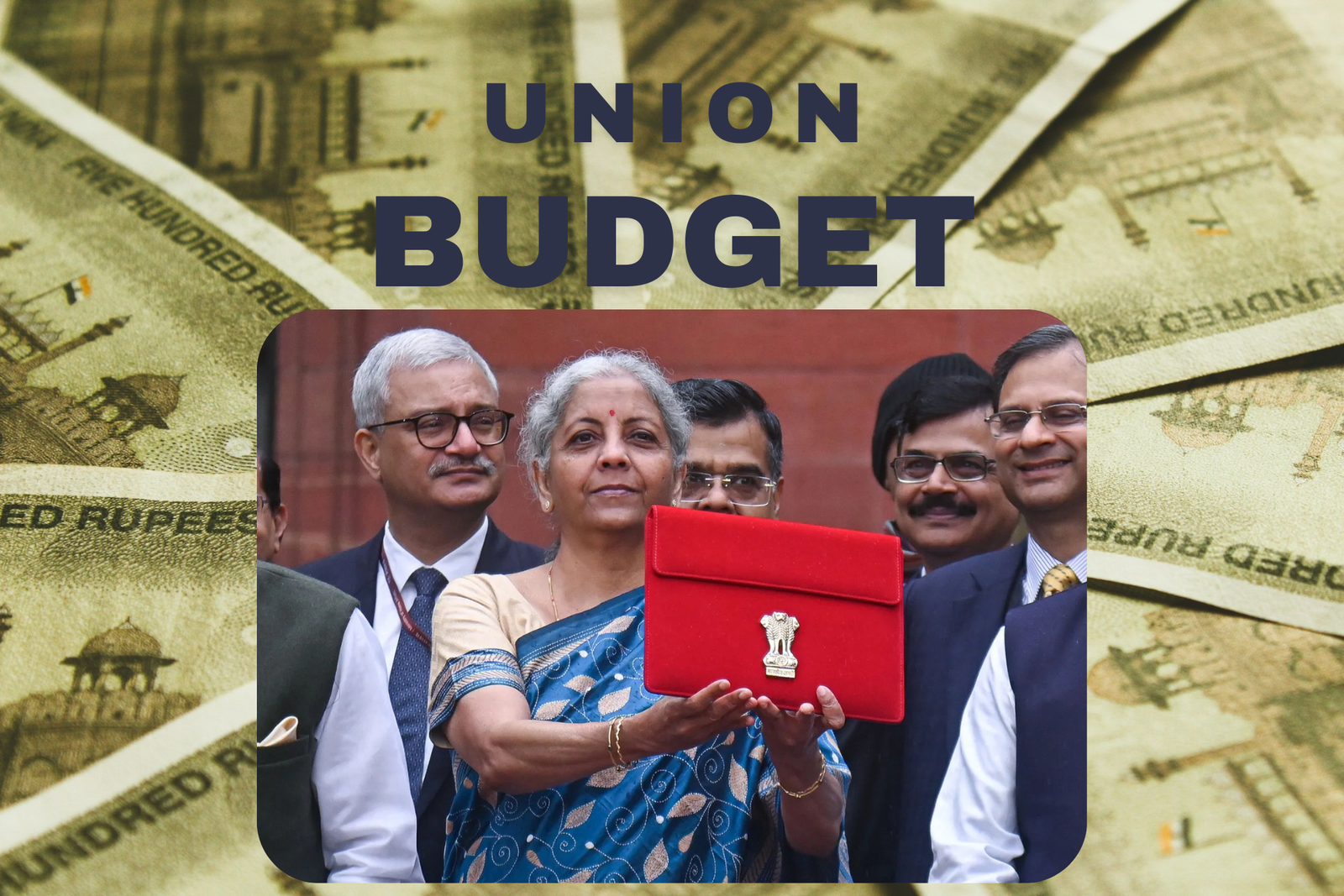
Union Budget 2026 Brings Relief on Remittances and Duty Cuts on Key Goods
Union Budget 2026, presented by Nirmala Sitharaman, has sparked wide discussion on what becomes cheaper and what turns costlier for households and businesses. 2026–27 Budget focuses on boosting growth, encouraging household spending, and supporting strategic sectors, while tightening penalties and taxes in select areas.
A major relief comes in form of reduced Tax Collected at Source (TCS) on overseas remittances, while several goods see customs duty rationalization. At the same time, higher penalties and transaction taxes are expected to increase costs in certain segments.
What Gets Cheaper in Union Budget 2026
Union Budget 2026 has announced multiple duty cuts and tax reductions that directly impact consumers and businesses.
Lower TCS on Overseas Remittances
One of the most significant changes in Union Budget 2026 is reduction in TCS on overseas remittances:
- TCS on overseas tour packages cut to 2% from the earlier 5–20%
- TCS on education and medical remittances under Liberalized Remittance Scheme (LRS) reduced to 2% from 5%
This move is expected to ease financial burden on families sending money abroad for education, healthcare, and travel.
Customs Duty Cuts Across Multiple Sectors
Budget 2026–27 exempts or reduces Basic Customs Duty (BCD) on several critical items, making them cheaper:
- Energy-transition equipment and solar glass inputs
- Capital goods for critical minerals and lithium-ion cells
- Civilian aircraft MRO components
- Rare disease and cancer drugs
- Goods imported for nuclear power projects
- Fish caught by Indian fishermen in Indian waters
Additionally, BCD on microwave ovens and personal-use imports has been reduced from 20% to 10%, offering relief to consumers.
Agriculture, Food, and Raw Materials
Union Budget 2026 also brings notable changes in agriculture and raw material imports:
- BCD on makhana and roasted nuts cut to 30% from 150%
- Duties on almonds and walnuts reduced
- Import duty on seeds and spores for sowing halved to 15%
- Wet blue leather gets zero import duty
- Import duties reduced on graphite, quartz, coal, sand, silicon, rare-earth metals, and metal oxides
These measures aim to lower input costs and support domestic manufacturing.
What Gets Costlier After Union Budget 2026
While the Budget provides relief in many areas, it also increases costs and penalties in others.
Higher Penalties and Taxes
Union Budget 2026 tightens compliance by raising penalties:
- Penalties for income-tax misreporting increased to 100% of tax amount, plus tax and interest
- Penalties for non-disclosure of movable assets increased
Costlier Trading and Consumption
Some activities and goods will now attract higher taxes:
- Futures and Options (F&O) trading becomes costlier as:
- STT on stock options raised to 0.15%
- STT on futures increased to 0.05% from 0.02%
- TCS on alcoholic liquor, minerals, and scrap increased from 1% to 2%
- Chewing tobacco products, including gutkha and zarda, see NCCD rise to 60% from 25%
- Luxury items such as watches, alcohol, cigarettes, beedis, pan masala, and gutkha become costlier
- Prices of cinematography equipment and cameras are expected to rise
Government’s Broader Message
Presenting the Union Budget 2026, the Finance Minister said Budget rests on three pillars:
- Faster economic growth
- Inclusive development
- Structural reforms
The government’s stated focus remains on the poor and disadvantaged, while encouraging investment, clean energy transition, and domestic manufacturing.
Final Take
Union Budget 2026 delivers a mixed bag for consumers and businesses. While reduced TCS on overseas remittances and customs duty cuts bring meaningful relief, higher penalties and transaction taxes signal stricter compliance ahead.
Overall, the Budget aims to balance growth with discipline, offering relief where spending and investment matter most, while discouraging tax evasion and speculative excesses.
More Finance content