

Table of Contents
Introduction
If you’re an Indian investor, chances are you’ve faced this question more than once:
Should I invest in gold vs fixed deposit?
In 2026, this question becomes even more relevant. With fluctuating interest rates, inflation concerns, global uncertainty, and rising gold prices, choosing the right investment matters more than ever.
In this article, we break down Gold vs Fixed Deposit (FD) in a simple, practical, no-nonsense way—so you can decide what truly fits your financial goals.
Why Indians Traditionally Trust Gold


Gold is not just an investment in India—it’s an emotion.
For decades, Indian households have relied on gold as:
- A hedge against inflation
- A safe haven during economic uncertainty
- A liquid asset during emergencies
In the last 10 years, gold has shown strong long-term appreciation, especially during global crises like COVID-19 and geopolitical tensions.
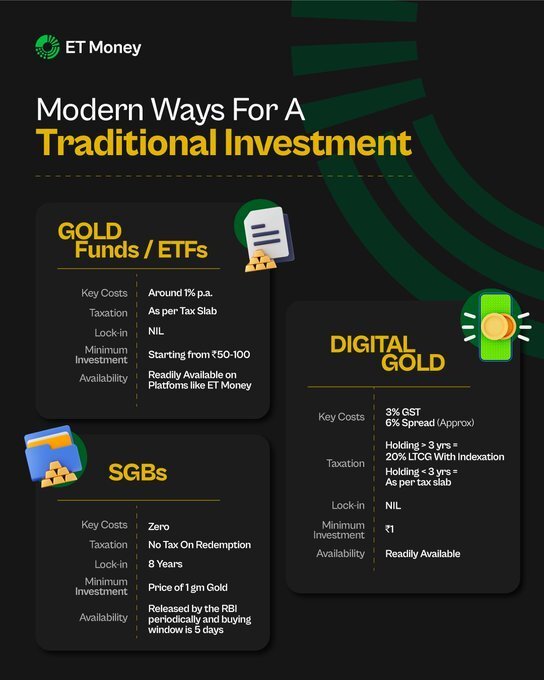
Ways to invest in gold today:
- Physical gold (jewellery, coins, bars)
- Digital gold
- Gold ETFs & Sovereign Gold Bonds (SGBs)
Fixed Deposits: The Comfort of Stability
👉 Reserve Bank of India – FD & interest rate insights
Fixed Deposits are the most preferred investment for risk-averse Indians.
Why?
- Capital protection
- Guaranteed returns
- Easy to understand
- Ideal for short- to medium-term goals
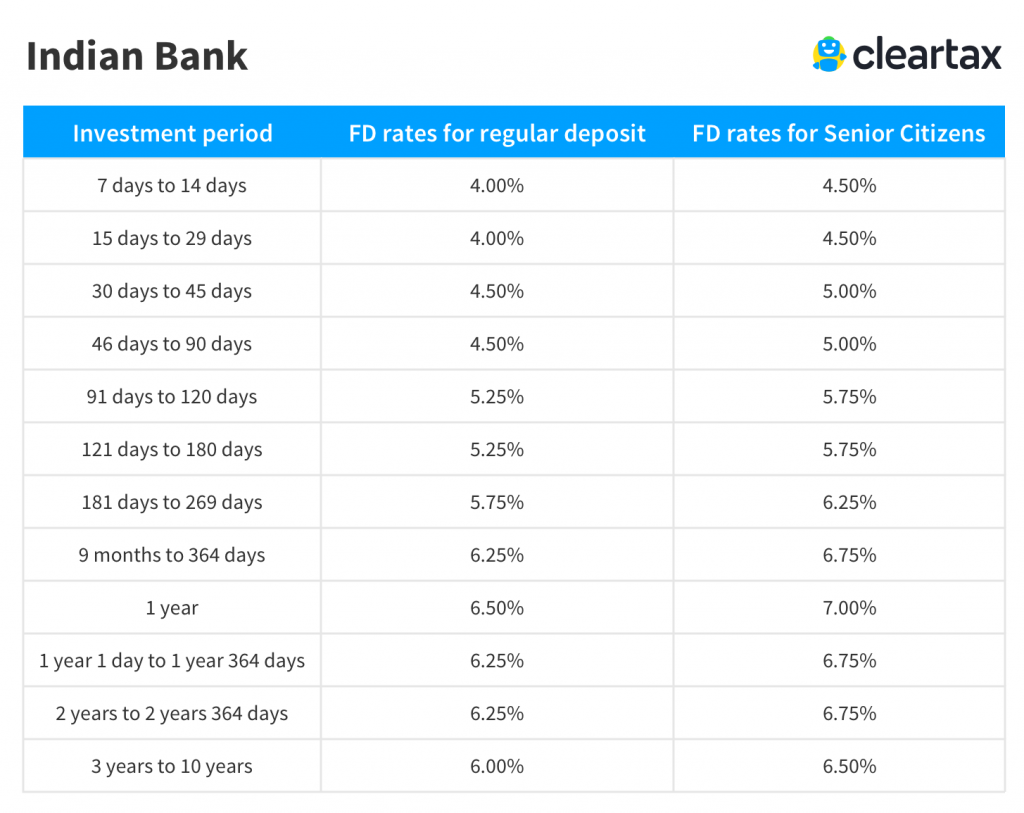
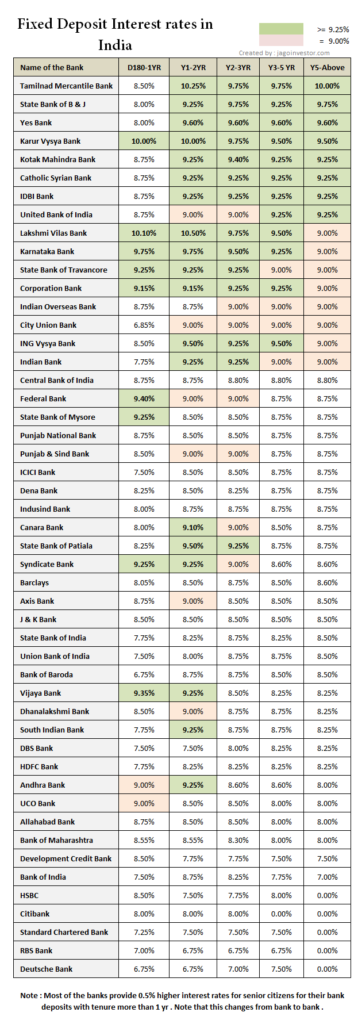
As of 2026, FD interest rates in India generally range between 6% to 8.5%, depending on the bank and tenure.
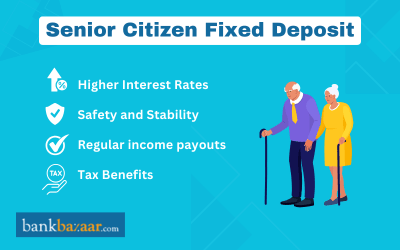
Senior citizens often enjoy additional interest benefits, making FDs a reliable income source.
Gold vs FD: Key Differences at a Glance
| Feature | Gold | Fixed Deposit |
|---|---|---|
| Risk | Moderate | Very Low |
| Returns | Market-linked | Fixed |
| Inflation Protection | High | Low |
| Liquidity | High | Medium |
| Tax Efficiency | Moderate | Low |
| Ideal For | Long-term wealth | Stability & income |
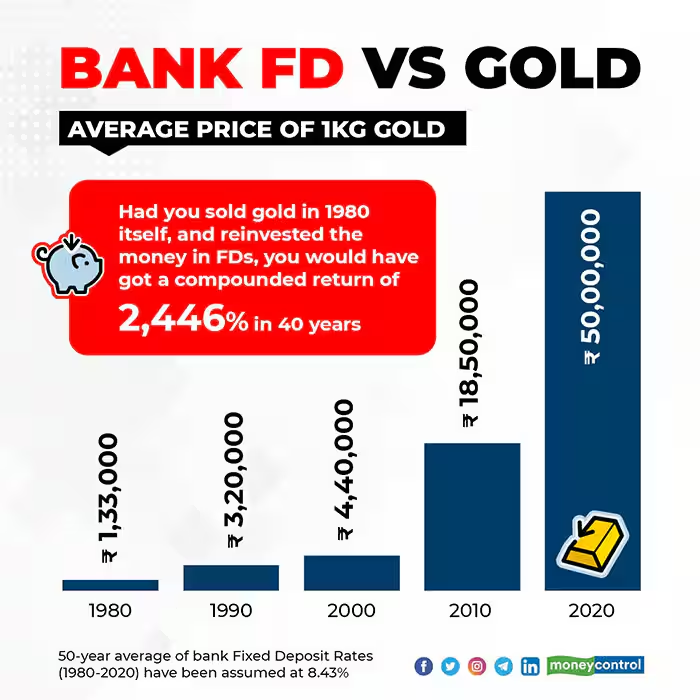
Returns Comparison (2015–2025 Snapshot)
- Gold: ~10–12% CAGR (approx.)
- FD: ~6–7% average
Gold has historically outperformed FDs over long periods, especially during inflationary phases.
However, FDs shine when:
- Markets are volatile
- You need predictable cash flow
- Capital safety is the top priority
Taxation: Gold vs FD in India
Gold Taxation
- Short-term gains: Taxed as per income slab
- Long-term gains (after 3 years): 20% with indexation
- Sovereign Gold Bonds offer tax-free maturity benefits
FD Taxation
- Interest is fully taxable as per your income slab
- TDS applies if interest exceeds limits
- No inflation adjustment
This makes gold slightly more tax-efficient for long-term investors.
Risk, Liquidity & Inflation Protection
- Gold performs well during inflation and currency depreciation
- FDs struggle to beat inflation post-tax
- Gold is easier to liquidate instantly (especially digital gold)
- Premature FD withdrawal often attracts penalties
In times of crisis, gold historically acts as financial insurance.
Which Is Better for You in 2026?
Choose Gold if:
- You’re investing for 5+ years
- You want inflation protection
- You already have emergency savings
- You can tolerate short-term volatility
Choose Fixed Deposit if:
- You want guaranteed returns
- You need regular income
- You’re close to a financial goal
- Capital safety matters most
💡 Smart strategy: Don’t choose one—balance both.
SmartKee Final Verdict
In 2026, Gold and Fixed Deposits serve different purposes.
- Gold builds long-term wealth
- FDs provide financial stability
A well-balanced Indian portfolio should ideally include both, depending on your age, income stability, and goals.
At SmartKee, we believe smart money isn’t about choosing sides—it’s about choosing balance.
Related Finance articles Emergency Fund India 2026