
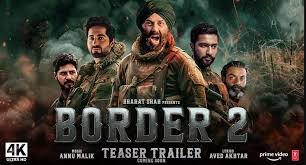
When J.P. Dutta directed Border in 1997, he didn’t just make a war film. He created an emotional experience that refused to treat combat as entertainment. Nearly three decades later, Border 2 remains one of Indian cinema’s most anticipated sequels, not because audiences want spectacle, but because they expect substance.
A Director Who Understood Restraint
Dutta’s genius lay in his refusal to glorify violence. His camera lingered on fear as much as courage, on silence as much as gunfire. Soldiers weren’t reduced to cardboard cutouts waving flags. They were men with doubts, families, and mortality pressing against their chests.
Learn more about J.P. Dutta’s filmmaking approach and how his directorial vision shaped Bollywood’s war cinema landscape.
Border 2 faces a fundamental question: Can it maintain this philosophical core? Without that seriousness, without that deliberate pacing, any sequel risks becoming just another loud film with guns and background scores.
Performances That Felt Lived-In
Sunny Deol didn’t play a soldier in Border. He became one. His raw intensity, vulnerability beneath anger, and eyes carrying exhaustion, these weren’t acting choices polished in vanity vans. They felt real.
Suniel Shetty, Jackie Shroff, and Akshaye Khanna supported this realism. Each actor understood when to speak and when silence carried more power. Star power mattered less than emotional honesty.
For Border 2, casting decisions will determine everything. Audiences don’t want celebrities cosplaying as military personnel. They want actors willing to disappear into roles, to let fear show, to understand that heroism often looks like exhaustion rather than triumph.
Similar to how Christopher Nolan approached Dunkirk, authenticity in war films requires stripping away Hollywood glamour and focusing on human experience.
History as Foundation, Not Decoration
Border drew from actual events, specifically, events from 1971’s Battle of Longewala during conflict with Pakistan. Dutta never claimed documentary accuracy, but he honored emotional truth. Soldiers fought because they had to, not because background music told audiences to feel inspired.
Border 2 must follow this path. Fictional scenarios or manufactured conflicts would betray everything its predecessor stood for. Audiences expect:
- Military situations grounded in research
- Stories inspired by real sacrifices
- Ground-level perspectives over nationalistic speeches
Understanding India’s 1971 war history provides crucial context for appreciating Border’s narrative choices and what Border 2 should honor.
Anything less would feel hollow.
Music That Understood Its Place
Anu Malik’s compositions for Border weren’t songs inserted for commercial breaks. “Sandese Aate Hain” became an emotional anchor because it emerged naturally from storytelling. Even decades later, those opening notes transport listeners back to that cinematic world.
Border 2 faces high expectations here. Background scores must support tension rather than announce it. Songs must feel earned through narrative, not forced through marketing strategies. Emotion should guide composition, not volume.
A Changed Landscape
Indian audiences in 2025 have watched global war cinema. They’ve seen documentaries, read military reporting, and developed sophisticated standards for authenticity. Border 2 enters a crowded market where viewers quickly spot hollow patriotism or exaggerated heroics.
This creates both risk and opportunity. A film built on sincerity can stand out. But shallow nationalism or melodramatic sequences will alienate viewers immediately. Strong writing, disciplined direction, and restrained performances become non-negotiable.
Modern war films like 1917 have raised audience expectations for immersive storytelling and technical excellence, standards that Border 2 must meet.
Supporting Characters That Mattered
Border succeeded partly through its ensemble. Puneet Issar, Kulbhushan Kharbanda, and others brought depth to smaller roles. Each character represented different emotional responses, fear, wisdom, doubt, that made battle sequences feel populated by humans rather than extras.
Border 2 needs similar attention to supporting cast. War films fail when directors treat combat as a backdrop for one hero’s journey. Real conflicts involve dozens of perspectives, and cinema should reflect that complexity.
Why This Isn’t Typical Sequel Territory
Most sequels exist because predecessors earned money. Border 2 generates conversation because its original made people feel. That distinction matters enormously.
Audiences don’t want nostalgia repackaged with modern CGI. They want:
- Cinema that takes itself seriously
- Emotional honesty over manufactured sentiment
- Films respecting their intelligence
Meeting these expectations requires more than budget or marketing campaigns. As Variety notes about successful sequels, emotional resonance trumps spectacle every time.
Crew Responsibility Beyond Casting
War films demand excellence across departments. Cinematographers must capture visual realism without glamorizing destruction. Sound designers need to understand that silence often communicates more than explosions. Editors must resist modern tendencies toward frantic cutting.
Border’s slower pacing allowed emotions to settle, giving viewers space to absorb what they’d witnessed. If Border 2 feels like a two-hour trailer rapid cuts, constant intensity, no breathing room, it will fail regardless of other strengths.
Why Expectations Remain Sky-High
People searching for Border 2 updates aren’t simply curious. They’re reconnecting with a film that shaped their understanding of sacrifice. Older viewers remember watching Border with family, feeling something shift in how they understood patriotism. Younger audiences discover it through clips and reruns, recognizing quality that transcends era.
Border 2 sits at this generational intersection, carrying expectations from multiple demographics. Few sequels occupy such culturally significant space.
Earning Its Legacy
Border 2 doesn’t need louder explosions or bigger budgets than its predecessor. It needs honesty. If filmmakers respect their cast, crew, historical source material, and audience intelligence, they’ll create something meaningful, even if it differs from what people imagine.
But if they forget why Border mattered, no amount of scale will compensate. Legacy cinema operates under different rules. Audiences forgive technical limitations more easily than emotional dishonesty.
That’s why Border 2 continues generating discussion years before release. It’s not about hype or trend-chasing. It’s a test of whether Indian cinema still takes its most powerful stories seriously, or whether everything eventually becomes spectacle.
Read more: How Bollywood approaches patriotic cinema and what separates genuine storytelling from propaganda.
What are your thoughts on Border 2? Do you believe modern Bollywood can recapture that authentic storytelling magic? Share your perspectives in the comments below.
iqyykieijouxwoiltgpydtxllyewpl